Dating Apps: What Actually Works for Introverts
I spent years avoiding dating apps entirely. The whole concept felt exhausting before I even created a profile. Endless swiping, forced small talk with strangers, the pressure to seem more outgoing than I actually am. But somewhere along the way, I realized I was approaching the entire thing wrong. I was trying to date like an extrovert instead of working with my natural strengths.
Here’s the truth that changed everything for me: dating apps can actually work better for introverts than traditional dating. We get to control the pace. We can craft thoughtful responses instead of scrambling for witty comebacks in real time. We can recharge between conversations without anyone watching us retreat to the bathroom for a breather.
The problem isn’t that dating apps don’t work for introverts. The problem is that most advice about using them comes from people who don’t understand how we process social interaction differently. They tell us to swipe more, message faster, meet sooner. That’s a recipe for burnout, not connection.
Why Dating Apps Actually Favor Introverts
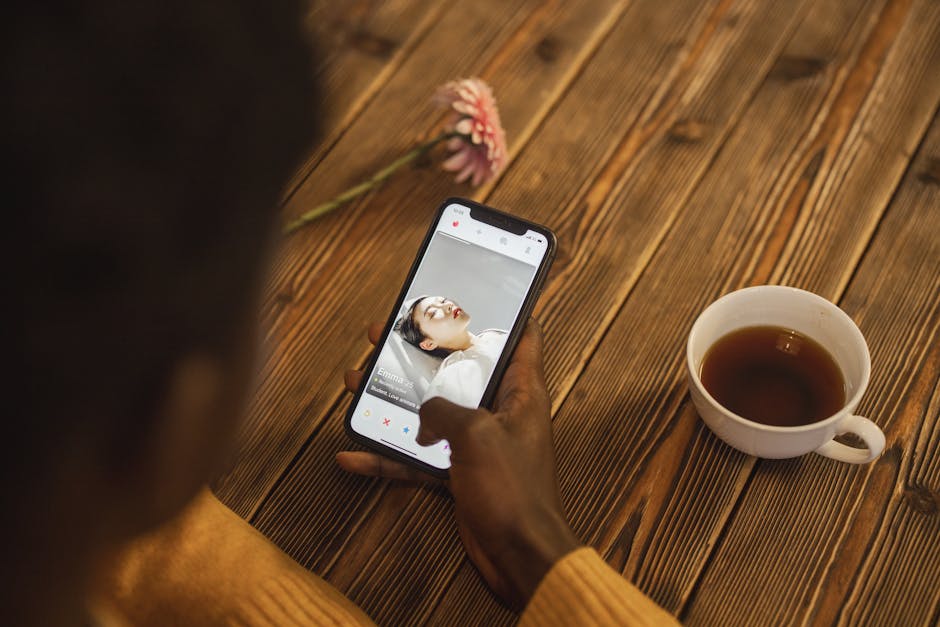
Something fascinating happens when you remove the pressure of immediate face-to-face interaction from dating. Introverts get breathing room to do what we do best: think deeply, observe carefully, and communicate meaningfully.
Research published in Personality and Individual Differences found that people on dating apps actually prefer profiles that come across as introverted, along with agreeable and emotionally stable. That’s not a typo. The qualities we sometimes worry make us less attractive in loud social settings are precisely what stands out in the online dating world.
I used to think my tendency toward depth over breadth was a handicap in dating. Turns out it’s one of my strongest assets. When everyone else is sending generic opening lines, introverts naturally gravitate toward meaningful conversation starters that actually get responses.
The asynchronous nature of app communication gives us something precious: time to process. According to research from Truity, licensed therapist Irene Schreiner notes that online dating takes less time and energy in early stages because you control when you engage. When your emotional battery runs low, you can step away without explanation.
Choosing the Right App for Your Personality
Not all dating apps are created equal, and choosing the wrong one can drain your energy before you even start meeting people. The key is finding platforms that align with how introverts prefer to connect.
Apps that limit daily matches, like Coffee Meets Bagel, work brilliantly for introverts. Instead of drowning in an endless stream of faces to evaluate, you get a small, curated selection each day. This eliminates the decision fatigue that comes from too many options and encourages more thoughtful consideration of each potential match.
Hinge operates on a prompt-based system that feels tailor-made for introverts. Rather than starting conversations from nothing, you respond to specific things someone has shared on their profile. It removes the awkward small talk phase and jumps straight into substantive discussion.
OkCupid’s detailed questionnaires appeal to introverts who value compatibility over superficial attraction. According to Pew Research Center, three in ten American adults have used dating apps, and platforms with robust matching algorithms tend to produce more satisfied users among those seeking serious relationships.
I learned this the hard way after trying every mainstream app and burning out repeatedly. The apps designed for high-volume swiping work against how my brain processes information. Once I switched to platforms that prioritized quality interactions over quantity, dating actually became enjoyable.
Creating a Profile That Attracts Compatible Matches
Your profile is where introvert advantages become obvious. While extroverts might struggle to translate their in-person charisma to written form, introverts excel at expressing ourselves through careful word choice and genuine reflection.
The biggest mistake introverts make is trying to seem more outgoing than they actually are. Mentioning bar-hopping or huge parties when you’d genuinely rather have a quiet evening at home just attracts incompatible matches. Own your preferences. Say you love bookstores, quiet coffee shops, or deep conversations over dinner. The right people find that appealing.
Research on authenticity in online dating shows that people who present themselves genuinely attract partners who appreciate their actual qualities, leading to more satisfying relationships. During my agency career managing marketing campaigns for major brands, I discovered that authenticity outperforms manufactured personas every single time. The same principle applies to dating profiles.
Be specific about your interests rather than generic. Instead of writing that you enjoy movies, mention your favorite genre or a recent film that made you think. Specificity invites conversation. It gives potential matches something concrete to respond to rather than vague pleasantries.
Tinder’s research found that the term “introvert” appears 33% more frequently than “extrovert” in user bios. People are increasingly comfortable identifying this way because they’ve learned it attracts compatible partners who understand their needs.
Managing Your Energy Through the Dating Process
Dating app fatigue is real, and introverts experience it faster than most. The constant evaluation, the emotional investment in conversations that might go nowhere, the pressure to respond quickly. It all adds up.
The key is treating your social energy like the finite resource it actually is. Set boundaries around when and how long you engage with apps. Maybe you check messages twice a day instead of constantly. Maybe you limit yourself to three active conversations at once. Whatever system preserves your capacity for meaningful engagement.
Research indicates that dating apps can mitigate social deficits and communication challenges faced by introverted individuals by enabling them to develop relationships at their own pace. But this benefit disappears when you force yourself into unsustainable patterns.
I used to think I had to respond to every message immediately or risk losing potential matches. That approach left me exhausted and resentful of the whole process. Now I take my time, respond when I actually have energy for good conversation, and paradoxically get better results.
Quality trumps speed. A thoughtful response sent the next day beats a half-hearted one sent immediately. People worth dating understand this. The ones who get impatient because you didn’t reply within an hour probably aren’t compatible anyway.
Navigating Conversations That Build Real Connection
Small talk is the bane of introvert existence, and dating app conversations often feel like an endless parade of it. The solution isn’t forcing yourself through surface-level exchanges. It’s steering discussions toward depth more quickly.
Ask questions that invite genuine answers. Instead of asking about someone’s job, ask what they find meaningful about their work. Instead of commenting on the weather, mention something from their profile that sparked curiosity. These approaches feel more natural to introverts and produce more interesting conversations for everyone involved.
Research from 16Personalities found that 87% of introverted personality types identify as listeners in conversations. Use this strength deliberately. When chatting with a potential match, draw them out with genuine questions. In a digital space full of people wanting to talk about themselves, someone who actually listens stands out dramatically.
The written format actually amplifies introvert strengths here. We can craft questions carefully, respond thoughtfully to what someone shares, and create meaningful exchanges without the pressure of real-time performance.
One pattern I noticed from my years managing creative teams: the best conversations happen when both people feel genuinely curious about each other. Bring that authentic interest to your dating conversations and watch the quality improve immediately.
Moving from App to In-Person Without Overwhelm
Eventually, you have to actually meet people. This is where many introverts get stuck. The conversation is flowing, real connection is developing, and then the prospect of an in-person date triggers anxiety.
The transition doesn’t have to be jarring. First, recognize that you’re not meeting a stranger. You’ve already established rapport through your conversations. The person you’re meeting knows your personality and chose to pursue more. That’s different from walking into a bar hoping to catch someone’s eye.
Choose first date settings that work for introverts. Quiet coffee shops, bookstores, museums, or walks in nice parks all provide natural conversation flow without overwhelming stimulation. Avoid loud restaurants, crowded bars, or high-energy activities that drain your battery before you even connect with your date.
Psychologist Sophia Dembling, author of Introverts in Love, suggests dressing for comfort rather than to impress on first dates. It’s hard to relax and be yourself when you’re all dolled up in your fanciest clothes. Wear something you feel genuinely good in.
Set time limits mentally. Knowing you have an exit point reduces anxiety. Coffee dates work perfectly because they have a natural ending. If things go well, you can always extend. If not, you’ve only invested an hour.
Handling Rejection Without Taking It Personally
Rejection stings regardless of personality type, but introverts often internalize it more deeply. We’re inclined to analyze what went wrong, replay conversations looking for mistakes, and question our worth based on someone else’s decision.
The reframe that helped me: rejection is information about compatibility, not judgment about value. Someone not feeling a connection says nothing about your worth as a person or partner. It simply means this particular combination wasn’t right.
Dating apps expose you to rejection at scale. Not every swipe leads to a match. Not every match leads to a conversation. Not every conversation leads to a date. This is the nature of the process, not a reflection of your attractiveness or personality.
Studies on dating app psychology suggest that reframing rejection as a mismatch rather than personal failure helps users cope better and maintain healthier attitudes toward dating. Journaling about positive interactions can counter the sting of negative ones.
During my corporate career, I watched countless pitches get rejected before finding the right client. Each rejection clarified what we were looking for. Dating works similarly. Every “no” gets you closer to a “yes” that actually fits.
Communicating Your Needs as an Introvert
Once you start dating someone, the communication challenges shift but don’t disappear. You need to explain your introvert needs without making the other person feel rejected or unwanted.
The Gottman Institute’s research on introvert-extrovert relationships shows that these partnerships succeed when both partners validate each other’s needs rather than trying to change them. This requires clear, direct communication about what introversion actually means for you.
Practice explaining your needs without apologizing for them. “I need some quiet time to recharge” is different from “Sorry, I’m just not social enough.” The first sets a healthy boundary. The second implies you’re defective.
If you’re dating someone more extroverted, have early conversations about social energy. Explain that your need for alone time isn’t about them. Discuss how you’ll handle differing preferences for social activities. These conversations feel awkward but prevent bigger conflicts later.
I learned to be upfront about my introversion early in dating. Saying something like “I’m someone who needs quiet time to recharge, so I might not always want to go out on weekends” sets expectations and filters for compatibility simultaneously.
Building Momentum Without Burning Out
Sustainable dating requires pacing yourself. The people who burn out fastest are those who try to maintain maximum activity until they find someone. That’s not a strategy. It’s a recipe for resentment toward the entire process.
Consider dating in phases. Periods of active engagement followed by intentional breaks. During active phases, set limits that feel manageable. During breaks, genuinely step away and recharge without guilt.
According to eHarmony’s guidance on introvert dating strategies, being more selective about dates so you waste less energy also helps. You don’t have to pursue every potential match. Focus on the ones that genuinely excite you.
Track what drains you most. For some introverts, it’s the swiping phase. For others, it’s the messaging. For many, it’s the transition to in-person dates. Once you identify your biggest energy drains, you can create strategies to manage them specifically.
The goal isn’t to date constantly until you find someone. It’s to date in a way that feels sustainable enough to continue until you find the right person. Those are very different approaches with very different outcomes.
Finding Someone Who Appreciates Your Introversion
The ultimate goal isn’t just finding someone willing to tolerate your introversion. It’s finding someone who genuinely appreciates it. These partners exist, and they’re looking for exactly what you offer.
Introverts bring unique strengths to relationships: depth of connection, thoughtful communication, loyalty, and the ability to create genuine intimacy without constant activity. The right partner recognizes these qualities as assets rather than limitations.
Research on personality compatibility in relationships suggests that extraversion influences relationship formation, but introvert qualities like agreeableness and conscientiousness predict relationship satisfaction and longevity.
Whether you end up with another introvert who understands your needs instinctively, or an extrovert who values what you bring to balance, the key is mutual appreciation. Look for partners who respond positively when you express your authentic self, not ones who seem to tolerate it.
My own relationship succeeded because my partner saw my introversion as a feature, not a bug. She appreciates my depth, values our quiet evenings, and never makes me feel broken for needing solitude. That kind of acceptance transforms the entire dating experience from something to endure into something genuinely fulfilling.
Frequently Asked Questions
Are dating apps actually good for introverts?
Yes, dating apps can work exceptionally well for introverts because they provide control over pacing, allow time to craft thoughtful responses, and reduce the energy drain of traditional dating scenarios. Research shows that profiles perceived as introverted actually receive positive reception from potential matches, and the written communication format plays to introvert strengths.
Which dating apps work best for introverts?
Apps that limit daily matches work best for introverts. Coffee Meets Bagel sends curated daily selections rather than endless options. Hinge uses prompts that facilitate deeper conversation. OkCupid offers extensive questionnaires for compatibility matching. Avoid high-volume swipe apps that prioritize quantity over quality connections.
How do I prevent dating app burnout as an introvert?
Set boundaries around app usage by limiting check-ins to specific times daily. Restrict active conversations to a manageable number. Take intentional breaks when you feel drained. Be more selective about which matches you pursue. Remember that quality responses sent later beat rushed ones sent immediately.
Should I mention being an introvert in my dating profile?
Yes, mentioning introversion can attract compatible matches who understand and appreciate this trait. Research shows “introvert” appears frequently in successful dating profiles. Being upfront about preferences for quiet activities, deep conversations, and smaller gatherings helps filter for compatibility early.
What are good first date ideas for introverts?
Choose low-stimulation environments that allow conversation: quiet coffee shops, bookstores, museums, botanical gardens, or walks in parks. Avoid loud restaurants, crowded bars, or high-energy activities. Set time limits mentally through coffee date formats. Dress comfortably rather than elaborately to stay relaxed.
Explore more in the Introvert Relationships hub.
About the Author
Keith Lacy is an introvert who’s learned to embrace his true self later in life. With a background in marketing and a successful career in media and advertising, Keith has worked with some of the world’s biggest brands. As a senior leader in the industry, he has built a wealth of knowledge in marketing strategy. Now, he’s on a mission to educate both introverts and extroverts about the power of introversion and how understanding this personality trait can unlock new levels of productivity, self-awareness, and success.

Written by
keithlacy
Writer at The Dopamine Theory. Covering personality psychology, introversion, and the science of how we're wired.



Written by
keithlacy
Writer at The Dopamine Theory. Covering personality psychology, introversion, and the science of how we're wired.