
Adult Siblings: How Introverts Actually Connect
Family dinner at my brother’s house always follows the same pattern. Everyone talks over each other, debating politics and sharing stories, while I sit quietly processing the rapid-fire conversation. My siblings mistake my silence for disinterest, but inside I’m actively engaged, observing the group dynamics and waiting for natural pauses that rarely come. After two hours, they’re energized. I’m completely drained.
Adult sibling relationships present unique challenges for introverts. Unlike friendships we choose or professional relationships we can structure, sibling bonds come with decades of shared history, family expectations, and complex emotional dynamics. A 2011 study in the Journal of Family Theory & Review found that sibling relationships are often the longest-lasting relationships in individuals’ lives, outlasting even parental bonds. For introverts who carefully manage social energy and prefer meaningful one-on-one connections, maintaining these lifelong relationships requires intentional strategies.

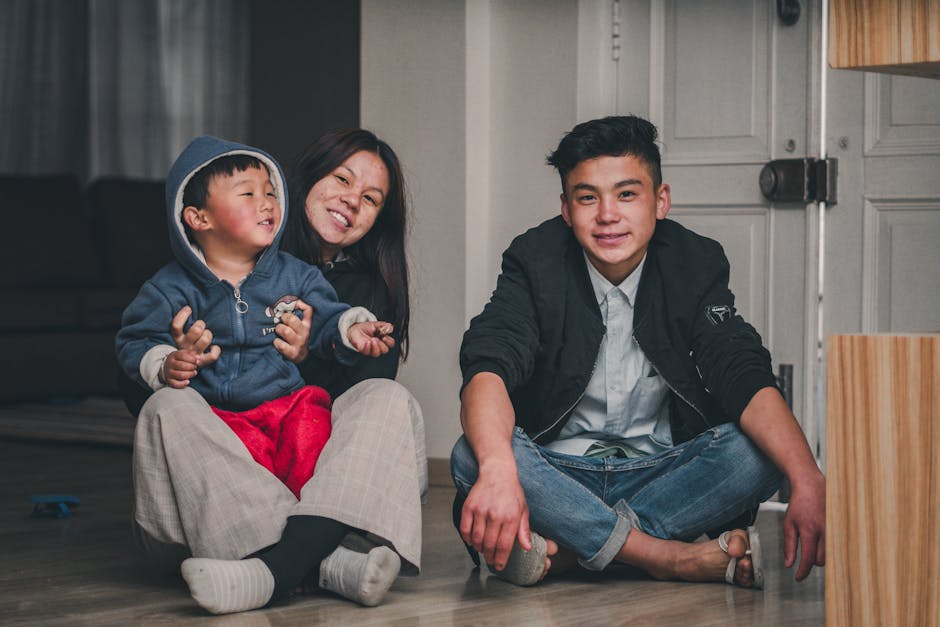
How Sibling Relationships Transform in Adulthood
Childhood sibling dynamics rarely translate directly to adult relationships. When you’re young, proximity determines connection. You share a room, compete for parental attention, and navigate daily conflicts over borrowed clothes or remote control privileges. Adulthood changes everything.
During my thirties, I realized my relationship with my sister had fundamentally shifted. We’d moved from hierarchical roles into something more equal, but we’d never explicitly discussed the transition. She still expected me to show up for every family event, while I needed permission to skip gatherings when my energy reserves ran low. Research from the National Institute on Aging demonstrates that sibling relationship quality in older adulthood significantly impacts psychological well-being, with conflict and perceived parental favoritism associated with higher levels of depression and anxiety. These stakes make understanding how introvert processing styles affect sibling bonds essential.
Adult siblings typically experience decreased contact after moving out of the family home, particularly during the establishing-career and early-parenting years. However, most siblings maintain some level of connection throughout life. Introverts often prefer this natural decrease in frequency, finding quality matters more than quantity in maintaining sibling bonds. The challenge emerges when extroverted siblings interpret reduced contact as rejection rather than an introvert’s normal relationship pattern.
The Introvert Experience of Sibling Dynamics
Your internal processing style shapes every aspect of sibling relationships. While extroverted siblings might work through disagreements immediately through animated discussion, introverts typically need time alone to process emotions before addressing conflict. This difference in communication timing frequently creates misunderstandings.
Consider how energy management affects sibling interactions. After a full week of work meetings and social obligations, many introverts approach weekend family gatherings already depleted. Your extroverted sibling arrives energized, ready to catch up and make plans. They interpret your quietness as mood or attitude, not recognizing you’re simply managing limited energy reserves. Research from the American Psychological Association on social relationships indicates that positive conflict resolution behaviors between siblings predict similar patterns in adult romantic relationships, suggesting early sibling dynamics have lasting effects on how we approach all close relationships.

Years of leading creative teams taught me that different communication styles aren’t better or worse, just different. One team member needed to think out loud in brainstorming sessions, while another consistently delivered brilliant ideas via email after meetings ended. The same principle applies to sibling relationships. When I finally explained to my brother that my delayed responses to family group texts weren’t dismissiveness but my processing style, our dynamic improved significantly.
Setting Boundaries Without Creating Distance
Establishing healthy boundaries with siblings often feels more complicated than with friends or colleagues. Shared family history, parental expectations, and childhood roles create invisible pressures that make saying “no” feel like betrayal. Introverts particularly struggle with boundary setting because we’re often accused of being “difficult” or “antisocial” simply for protecting our energy.
Effective boundaries don’t wall people out; they create sustainable frameworks for connection. Instead of declining all family events, specify which ones matter most. Communicate your need for recovery time after social gatherings. Suggest alternative ways to connect that work with your processing style, like long walks or one-on-one coffee meetings rather than large group dinners. Aging parents care for introverted adult children becomes particularly complex when sibling expectations around caregiving don’t account for different energy levels and social capacities.
During my father’s illness, my siblings expected me to attend every hospital visit and family meeting. When I suggested alternating who visited each day and sharing updates through a group text, they initially viewed this as lack of commitment. Explaining that my introvert nature meant I could provide better support with adequate recharge time helped them understand my approach wasn’t about caring less, but about sustaining care over the long term. Studies on blended family dynamics for introverts show that clear communication about different social needs prevents resentment and misunderstanding in complex family structures.
Managing Family Gatherings as an Introvert
Holiday celebrations and family reunions often highlight the divide between introvert and extrovert sibling experiences. Your siblings arrive ready to socialize for hours, while you’re already calculating escape routes and quiet corners. These gatherings can strain sibling relationships when extroverts interpret your need for breaks as rejection of family connection.
Strategic planning makes family events more manageable. Arrive with your own transportation so you can leave when needed. Identify a quiet room where you can retreat for 15-minute breaks. Volunteer for behind-the-scenes tasks like kitchen cleanup that provide legitimate alone time. Suggest activities that don’t require constant conversation, like watching movies or playing board games. These strategies aren’t about avoiding family, but about participating in ways that don’t completely deplete you.

When my family started implementing creating traditions that don’t exhaust you, our holiday gatherings became more enjoyable for everyone. We established a “quiet hour” mid-afternoon where people could read, nap, or take walks instead of continuous group activities. This simple change reduced tension and allowed introverted family members to participate more fully in evening activities. Research on family dynamics shows that accommodating different social energy levels strengthens rather than weakens family bonds.
Conflict Resolution for Introvert-Extrovert Sibling Pairs
Disagreements between siblings often escalate not because of the initial issue, but because of conflicting communication styles. Extroverted siblings want to resolve conflicts immediately through direct discussion. Introverted siblings need processing time before engaging in difficult conversations. Neither approach is wrong, but the mismatch creates additional friction.
During a particularly tense period with my sister, we kept missing each other’s communication attempts. She’d want to “talk things out right now,” while I needed a day to sort through my thoughts and emotions. We finally agreed on a 24-hour rule: when conflict arose, either of us could request a full day before discussing it. This simple framework honored both our needs and dramatically improved our ability to resolve disagreements constructively. A study in Developmental Psychology found that neutral emotional states facilitate more constructive conflict resolution behaviors between siblings, suggesting that allowing processing time leads to better outcomes.
Written communication often works better for introverts processing complex emotions. When verbal discussions feel overwhelming or unproductive, suggest exchanging emails or letters. This gives you time to articulate thoughts clearly and allows your sibling to process information at their own pace. Many siblings discover that combining written communication (for complex issues) with brief follow-up conversations (for clarification and emotional connection) creates more satisfying resolutions than either approach alone.
The Hidden Strengths Introverts Bring to Sibling Relationships
Years of managing high-pressure client relationships taught me that what clients valued most wasn’t charismatic presentation skills or constant availability, but thoughtful listening and strategic insight delivered when it counted. The same strengths introverts bring to professional settings enhance sibling relationships, though families don’t always recognize these contributions.

Introverts excel at one-on-one connections. While your extroverted sibling might be the life of the party at family gatherings, you’re the one your other sibling calls when they’re going through a difficult divorce or career transition. Deep listening, thoughtful advice, and genuine presence during challenging times create lasting bonds that superficial social interactions never achieve.
Observation skills serve sibling relationships well. Introverts notice subtle shifts in mood, unspoken tensions, and underlying needs that others miss. When my brother was struggling financially but too proud to ask for help, I recognized the signs through careful observation and found a way to offer support that preserved his dignity. This attentiveness comes naturally from introvert processing styles that favor depth of perception over breadth of social engagement.
Thoughtful communication might happen less frequently, but carries more weight. When introverts do speak up in family discussions or reach out to siblings, the message typically matters. Your siblings learn that when you initiate contact or share an opinion, it’s worth paying attention. This quality-over-quantity approach to communication often becomes more valued as siblings mature and recognize that frequent contact doesn’t automatically equal close relationship.
Distance and Life Changes in Adult Sibling Bonds
Geographic separation affects sibling relationships differently depending on personality styles. Extroverts often feel the distance more acutely, missing the casual drop-in visits and spontaneous gatherings. Introverts might actually find distance easier to manage, as it creates natural limitations on social demands while allowing for more intentional connection.
Technology offers mixed blessings for maintaining long-distance sibling relationships. Group video calls exhaust introverts quickly, yet declining participation triggers guilt and potential conflict. Finding the right balance means being honest about your capacity. Suggest alternative connection methods like one-on-one calls, shared photo albums, or asynchronous communication through email or messaging apps. Adult children moving back home can shift sibling dynamics again, requiring renegotiation of boundaries and expectations that may have worked well with distance.
Major life transitions like marriage, parenthood, or divorce reorganize family relationships. When siblings marry, spouses bring their own social expectations and family traditions into the mix. Extroverted spouses might not understand why you need alone time before extended family visits, creating additional layers of explanation and boundary setting. Parenthood intensifies these dynamics as siblings compare parenting styles and manage different approaches to child-rearing.

Aging parents often bring siblings back into closer contact, whether they want it or not. Co-parenting strategies for divorced introverts share similarities with managing sibling caregiving responsibilities, both requiring clear communication, defined roles, and respect for different approaches to responsibility. When multiple siblings coordinate parent care, introverts might take on behind-the-scenes tasks like research, scheduling, or financial management rather than being the primary contact person who fields constant phone calls and coordinates group decisions.

When to Seek Professional Support
Some sibling relationships carry wounds too deep for self-repair. Childhood trauma, long-standing resentments, or fundamental value conflicts sometimes require professional intervention. Recognizing when sibling dynamics cause more harm than good takes courage and self-awareness.
Family therapy can provide neutral ground for addressing complex sibling issues. A skilled therapist helps translate between different communication styles, identifies destructive patterns, and facilitates conversations that feel too risky to attempt alone. Many introverts find the structured format of therapy less draining than unstructured family conflicts, as it provides clear boundaries and defined time limits.
Sometimes maintaining distance serves everyone better than forcing connection. Not all sibling relationships need to be close to be healthy. If your sibling consistently disrespects your boundaries, drains your energy without reciprocating support, or actively harms your wellbeing, reducing contact isn’t failure. It’s self-preservation. One sister might naturally become your closest confidant while another remains a twice-yearly phone call relationship, and both patterns can be perfectly acceptable.
Building Sustainable Sibling Connections
Sustainable sibling relationships for introverts require intentional design. Regular but limited contact often works better than sporadic intense interactions. Monthly phone calls feel more manageable than quarterly weekend visits. Annual one-on-one trips create deeper connection than weekly family dinners. Find rhythms that honor both your need for meaningful relationship and your energy limitations.
Shared interests provide natural connection points that don’t require constant conversation. Book clubs, hiking trips, or collaborative projects give you reasons to spend time together while focusing attention on activities rather than solely on social interaction. My brother and I maintain connection through monthly fishing trips where comfortable silence between conversations strengthens rather than strains our bond.
Accept that your sibling relationships might look different from cultural ideals. Social media perpetuates myths about perfect family bonds featuring constant contact and unwavering support. Real relationships are messier, more complicated, and highly individual. Your relationship with your sister might thrive with quarterly visits and monthly texts, while your friend maintains daily contact with her brother. Both patterns can reflect healthy, meaningful connections.
Communication about your introvert needs prevents misunderstandings. Rather than letting siblings guess why you decline invitations or need space, explain your processing style clearly. Most people can understand different social needs when given straightforward explanations. You might say, “I’m not upset with you, I just need quiet time to recharge after social events” or “I process conflict better with thinking time before we talk.” This transparency helps siblings distinguish between personal rejection and personality differences.
Moving Forward With Authenticity
Adult sibling relationships for introverts work best when built on authenticity rather than obligation. Pretending to enjoy constant group activities or forcing yourself into communication patterns that drain you ultimately damages relationships more than honest boundary setting. Your siblings benefit from understanding who you actually are rather than relating to a exhausted version of yourself pushing past sustainable limits.
The sibling relationships that matter most evolve alongside you. As you learn more about your introvert needs and how to honor them, your closest siblings will adapt if the relationship has strong foundation. Others might struggle with these changes, and that’s information about the relationship’s capacity for growth and mutual respect.
Years into working with diverse personality types taught me that the strongest professional relationships emerged not from similarity but from mutual understanding and appreciation of differences. The same principle applies to family. Your extroverted sibling brings energy and spontaneity to family gatherings. You bring depth and thoughtfulness. Neither is better. Both contribute to rich family dynamics when each person’s style is respected and valued.
Sibling relationships hold unique potential precisely because they can’t be easily abandoned. This permanence creates both challenges and opportunities. The challenges push you toward growth in communication, boundary setting, and self-advocacy. The opportunities allow for relationships that deepen across decades, shaped by shared history and evolving understanding. Building these connections with authenticity rather than exhaustion makes the investment worthwhile.
Explore more in the Family Life hub.
About the Author
Keith Lacy is an introvert who’s learned to embrace his true self later in life. With a background in marketing and a successful career in media and advertising, Keith has worked with some of the world’s biggest brands. As a senior leader in the industry, he has built a wealth of knowledge in marketing strategy. Now, he’s on a mission to educate both introverts and extroverts about the power of introversion and how understanding this personality trait can unlock new levels of productivity, self-awareness, and success.

Written by
keithlacy
Writer at The Dopamine Theory. Covering personality psychology, introversion, and the science of how we're wired.



Written by
keithlacy
Writer at The Dopamine Theory. Covering personality psychology, introversion, and the science of how we're wired.