Interior Design: How Introverts Create Magic
Introverted designers bring something to interior spaces that’s genuinely difficult to manufacture: the ability to sit quietly with a room and feel what it needs. Rather than imposing a style onto a space, they observe, absorb, and respond. The result is environments that feel considered rather than decorated, calm rather than performative, and deeply personal rather than assembled from trend boards.
I spent more than two decades running advertising agencies, and one of the things I noticed early was how differently I approached a client’s office space versus how my more extroverted colleagues did. They’d walk in and immediately start rearranging the energy, suggesting bolder colors, more open layouts, spaces built for collaboration and visibility. I’d stand in the doorway and just look. I’d notice the light coming through the windows at 2 PM, the way sound traveled across the floor, the corner that nobody used but everyone walked past. That quieter way of reading a space wasn’t a limitation. It was information.
That same instinct shows up in introverted interior designers and in introverts who design their own homes. There’s a particular kind of attention that comes with a quieter mind, one that catches what others miss and builds spaces that genuinely restore rather than simply impress.
If you’re drawn to the idea of how personality shapes creative work, our Introvert Strengths hub explores this territory from multiple angles, including how depth of focus and sensitivity to environment become real professional advantages.

Why Do Introverts Excel at Interior Design?
Introversion is often described in terms of social energy, but it’s more than that. At its core, introversion involves a particular relationship with the inner world: a tendency to process deeply, observe carefully, and find meaning in details that others move past quickly. According to research from PubMed Central, those qualities translate directly into design skill, with studies from PubMed Central demonstrating how introspective thinking enhances creative problem-solving abilities.
A 2012 study published in the journal Frontiers in Human Neuroscience found that introverts show greater cortical arousal in response to sensory stimuli, meaning they process environmental information more thoroughly than their extroverted counterparts. That heightened sensitivity isn’t a liability in design work. According to Psychology Today, it’s precisely what allows an introverted designer to walk into a room and immediately sense that the ceiling feels too low, the lighting too harsh, or the furniture arrangement subtly off in a way that creates tension rather than ease. Research from Harvard further demonstrates that introverts’ observational strengths extend across professional domains, challenging the misconception that introversion limits career potential.
I noticed this in myself when we were redesigning our agency’s main office. We brought in a consultant who moved quickly through the space, made confident pronouncements about flow and energy, and left us with a plan that looked good on paper. But something felt wrong about it. I couldn’t articulate it immediately. I spent a weekend just sitting in different parts of the office at different times of day, and I eventually figured out that the proposed layout would funnel all foot traffic past the two people whose work required the deepest concentration. The consultant had missed it entirely. As Psychology Today notes, my quieter, slower way of reading the space had caught something the faster approach hadn’t.
The American Psychological Association has documented how environmental factors, including noise levels, lighting quality, and spatial organization, significantly affect cognitive performance and emotional wellbeing. Introverted designers tend to be acutely aware of these factors because they feel them so personally. You design best for what you understand most deeply, and introverts understand the need for restorative, thoughtfully calibrated environments from the inside out.
What Design Principles Come Naturally to Introverted Creatives?
There are certain design values that align almost organically with how introverted minds work. These aren’t rules that introverted designers follow consciously. They’re more like instincts that show up consistently in the spaces they create.
Purposeful Minimalism
Introverts generally find visual noise exhausting. A room crowded with objects, patterns, and competing focal points creates the same kind of sensory overwhelm as a loud party. So introverted designers tend toward spaces where every element earns its place. This isn’t the cold, sterile minimalism that sometimes appears in design magazines. It’s a warmer, more intentional version where the objects that remain are genuinely meaningful and the empty space is treated as a design element in its own right.
During my agency years, my personal office was always the quietest room in the building. People would walk in and comment that it felt different, calmer. I hadn’t set out to create a design statement. I just knew what I needed to think clearly, and I arranged the space accordingly. That personal knowledge is something introverted designers bring to every project.
Layered Lighting
Lighting is one of the most emotionally powerful elements in any interior, and introverted designers tend to treat it with unusual care. Harsh overhead lighting creates a kind of exposure that many introverts find uncomfortable. Softer, layered light sources, lamps at different heights, dimmable fixtures, natural light carefully managed through window treatments, create environments that feel protective and intimate without being dark or closed off.
Research from the National Institutes of Health confirms that lighting conditions directly affect mood, circadian rhythm, and cognitive function. Introverted designers often arrive at these findings intuitively before they encounter the science, because they’ve spent years paying attention to how different light conditions affect their own ability to think, create, and recover.
Acoustic Awareness
Sound is the design element that gets the least attention in most residential and commercial interiors, yet it may be the one that most directly affects an introvert’s ability to function comfortably in a space. Introverted designers often think carefully about how sound moves through a room, which materials absorb versus reflect noise, and how to create quiet zones within larger open spaces.
When we moved our agency into a larger open-plan office, I became almost obsessive about the acoustic design. My extroverted business partner thought I was overthinning it. But within three months, even the most extroverted members of our team were thanking us for the quiet zones we’d built in. Everyone benefits from thoughtful acoustic design. Introverted designers just tend to prioritize it earlier in the process.
How Does Introversion Shape the Creative Process in Design?
The creative process itself looks different when it’s driven by an introverted mind. Extroverted designers often generate ideas through conversation, brainstorming sessions, and real-time collaboration. Introverted designers typically work differently: they absorb information first, then retreat to process it, then return with ideas that have been developed internally rather than workshopped in groups.
Neither approach is superior. They produce different kinds of creative output. Extroverted creative processes tend to generate a high volume of ideas quickly, with refinement happening through group feedback. Introverted creative processes tend to generate fewer ideas initially, but those ideas often arrive more fully formed, with internal logic already worked through.
In my agency work, I learned to protect my introverted creative process rather than apologize for it. When a client briefed us on a major campaign, I’d often go quiet for a day or two before contributing meaningfully. My team initially interpreted this as disengagement. Over time, they came to understand that the quietness was the work. The ideas that came out of those silent periods were consistently stronger than anything I’d produced in real-time brainstorming sessions.
The same pattern appears in introverted interior designers. They often do their best conceptual work alone, with time to sit with a space, absorb its existing character, and let ideas develop without the pressure of performing creativity for an audience. The Harvard Business Review has written extensively about how different cognitive styles contribute to creative output, noting that solitary incubation periods are a legitimate and often productive part of the creative process, even in collaborative industries.
What Challenges Do Introverted Designers Face in a Client-Facing Industry?
Interior design is not a solitary profession. It involves client meetings, vendor relationships, site visits with contractors, and the ongoing challenge of translating a client’s often vague emotional preferences into concrete design decisions. For introverts, some of these demands can be genuinely draining.
The client presentation is probably the most common pressure point. Many introverted designers do their best work in the preparation phase, but then feel exposed during the presentation itself, especially when clients respond with immediate skepticism or push back in real time. The extroverted designer can often pivot and riff in the moment. The introverted designer may need time to absorb the feedback before responding thoughtfully.
Many introverts share the experience of feeling caught off guard in high-stakes presentations, and I was no exception. Some of my most uncomfortable professional moments came in rooms where a client rejected a concept I’d spent weeks developing, and I had to respond immediately. Over time, I developed a practice of always having a second option prepared, not because I lacked confidence in my primary recommendation, but because having that backup gave me breathing room. If the first idea met resistance, I could offer the alternative while I processed the feedback internally. It looked like strategic flexibility. It was also self-preservation.
Psychology Today has published extensively on how introverts can work effectively in client-facing roles by building in recovery time, preparing thoroughly, and framing their quieter communication style as a professional strength rather than a social deficit. The designers who thrive long-term are usually the ones who stop trying to perform extroversion and start building practices that work with their natural wiring.
How Can Introverts Design Their Own Homes as Restorative Spaces?
Even if you’re not a professional designer, understanding your introverted needs can completely change how you approach your own living space. Your home isn’t just a place to sleep and store things. For an introvert, it’s a recovery environment, the place where you rebuild the energy that social and professional life depletes.
That framing matters. When I finally stopped thinking about my home as a place that should look impressive to visitors and started thinking about it as a space optimized for my own restoration, everything shifted. I got rid of furniture that was beautiful but uncomfortable. I added a reading chair in a corner that nobody could see from the front door. I put blackout curtains in my home office. None of these decisions were aesthetically dramatic, but each one made the space more genuinely mine.
Create a Dedicated Quiet Zone
Every introvert benefits from at least one space in their home that is explicitly protected from noise, interruption, and social demand. This doesn’t require a separate room. A well-positioned chair with good lighting, a small desk in a low-traffic corner, or even a reading nook created with a curtain or bookshelf can serve this function. The physical boundary signals something important to your nervous system: this is where you come to recover.
Prioritize Sensory Comfort Over Visual Drama
Many introverts find that the spaces they’re most comfortable in aren’t the ones that look most impressive, but the ones that feel most comfortable. Soft textures, muted colors, natural materials, and gentle lighting tend to create environments that support the kind of deep, quiet attention that introverts need. This is worth prioritizing over trend-driven aesthetics, especially in the spaces where you spend the most time alone.
Design for Your Actual Life, Not Your Ideal Social Life
One of the most common mistakes introverts make in home design is optimizing for the social occasions they feel they should host rather than the quiet life they actually live. A large dining table that seats twelve sounds impressive but creates daily visual pressure if you eat alone or with one other person most of the time. Designing honestly for your actual patterns, rather than aspirational ones, produces spaces that feel genuinely comfortable rather than vaguely accusatory.
Are There Specific Design Careers That Suit Introverted Creatives?
Interior design covers a wide range of specializations, and some align more naturally with introverted working styles than others. Residential design, particularly high-end residential work with a small number of long-term clients, tends to suit introverts well. The relationships are deep rather than broad, the work involves extended periods of focused creative development, and the client interactions are more intimate and less performative than commercial projects.
Set design and production design for film and television attract a significant number of introverted creatives. The work is intensely detail-oriented, the creative brief is usually more specific than in residential design, and much of the most important work happens in solitary research and development phases. The final product speaks for itself without requiring the designer to be the center of attention.
Sustainable and biophilic design, which focuses on integrating natural elements and creating environments that support human wellbeing, is another area where introverted sensibilities align particularly well with professional demands. The field draws heavily on research, long-term thinking, and sensitivity to how environments affect human experience at a neurological level. The Mayo Clinic has documented the psychological benefits of biophilic design elements, including natural light, plant life, and natural materials, findings that introverted designers often arrive at intuitively before encountering the clinical evidence.
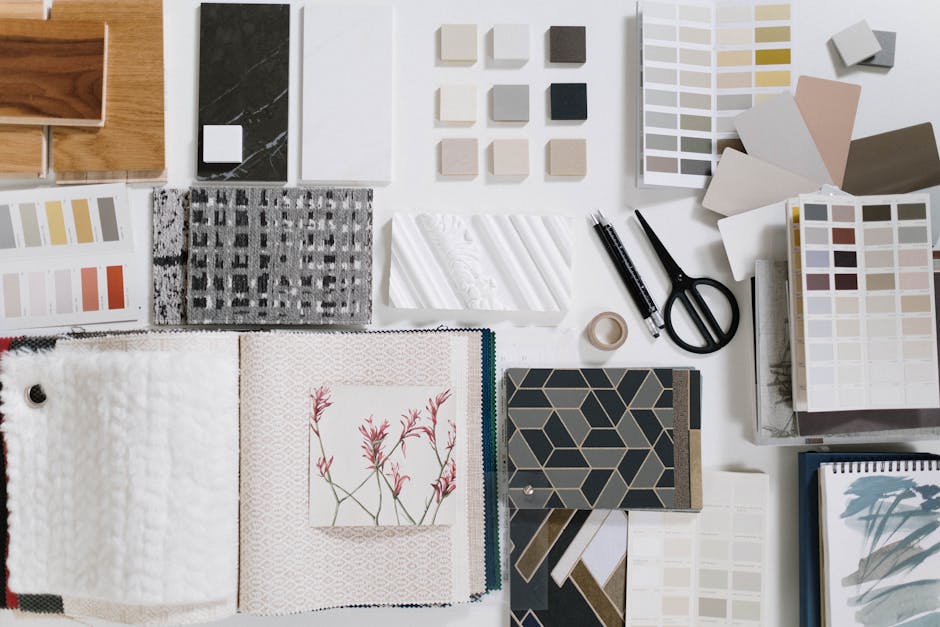
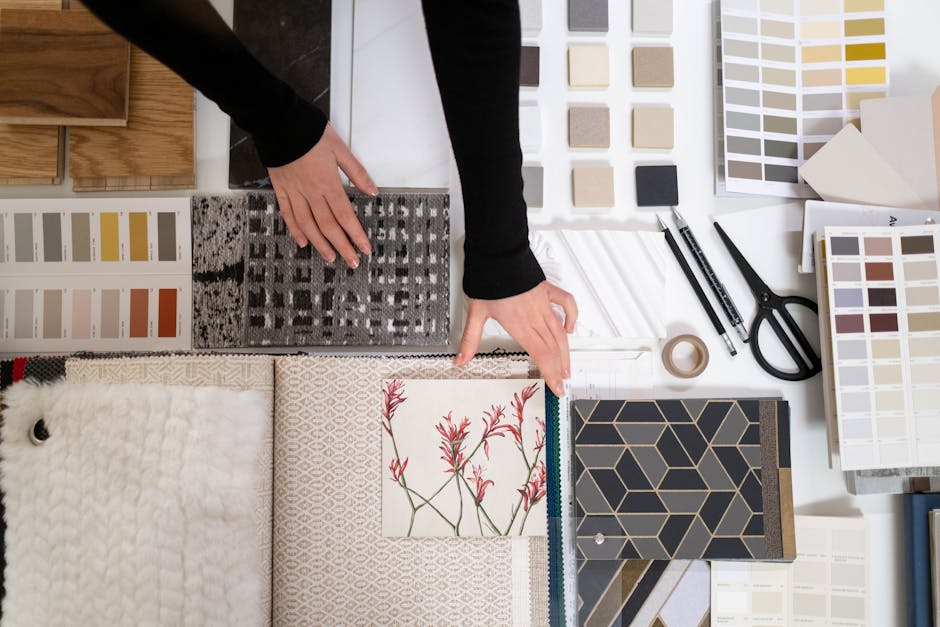
Color consulting is another niche that rewards the kind of careful, layered observation that introverts naturally bring. Color affects mood, energy levels, and perception of space in ways that most people don’t consciously register but absolutely feel. An introvert who has spent years paying close attention to how different environments make them feel has a genuine advantage in this work.
How Does Burnout Affect Introverted Designers and What Helps?
Burnout is a particular risk in any creative profession that requires consistent client interaction, and interior design is no exception. For introverted designers, the drain comes from a specific combination: the social energy required by client relationships, the emotional exposure of presenting creative work for judgment, and the sensory demands of spending time on construction sites and in showrooms rather than in controlled, quiet environments.
A 2019 study from the World Health Organization formally recognized burnout as an occupational phenomenon, characterizing it by exhaustion, increased mental distance from work, and reduced professional efficacy. For introverted creatives, the exhaustion often precedes the other symptoms by months, showing up as a creeping inability to generate ideas, a flattening of the enthusiasm that normally drives their work, and a growing dread of client interactions that once felt manageable.
Recovery, in my experience, requires more than a weekend off. After a particularly brutal stretch of pitches and presentations at my agency, I took a week of what I called “input time,” visiting galleries, reading design books, walking through neighborhoods I found visually interesting, with no output required. No deliverables, no client calls, no creative production. Just absorption. I came back genuinely restored rather than just rested, and the distinction matters. Rest repairs the body. Input time repairs the creative mind.
Introverted designers who build deliberate recovery practices into their professional rhythms, protecting certain hours for solitary creative work, limiting the number of active client relationships at any given time, and treating input time as a professional investment rather than a luxury, tend to sustain their careers with far less damage than those who try to match the pace and social output of their more extroverted peers.
There’s more on this in our Introvert Strengths hub, where we explore how introverts across different creative fields build sustainable careers by working with their natural energy patterns rather than against them.
About the Author
Keith Lacy is an introvert who’s learned to embrace his true self later in life. After 20 years in advertising and marketing leadership, including running agencies and managing Fortune 500 accounts, Keith now channels his experience into helping fellow introverts understand their strengths and build fulfilling careers. As an INTJ, he brings analytical depth and authentic perspective to every article, drawing from both professional expertise and personal growth.
Frequently Asked Questions
Are introverts naturally good at interior design?
Many introverts bring genuine strengths to interior design, including heightened sensitivity to sensory environments, deep observational skills, and a natural inclination toward purposeful, considered spaces. These qualities don’t guarantee design talent, but they do create a strong foundation. Introverts tend to notice what others overlook, from the way light changes a room throughout the day to the acoustic properties of different materials, and that attention to detail shows up consistently in their design work.
What design styles tend to appeal to introverts?
Introverts often gravitate toward design styles that emphasize calm, order, and sensory comfort over visual drama. Scandinavian minimalism, wabi-sabi, Japanese-inspired interiors, and biophilic design all tend to resonate with introverted sensibilities. That said, personal preference varies widely. What most introverted designers share is less a specific aesthetic and more a set of values: spaces should feel restorative, every element should earn its place, and the environment should support focused thought rather than compete with it.
How can introverts handle the client-facing demands of a design career?
Preparation is the most reliable tool. Introverted designers who prepare thoroughly for client meetings, including anticipating likely objections and having alternative options ready, feel significantly more confident in real-time interactions. Building in recovery time after intensive client periods, limiting the number of active projects to a manageable level, and framing your quieter communication style as thoughtfulness rather than hesitancy all help. Many successful introverted designers also find that smaller client rosters with deeper relationships suit them far better than high-volume practices.
What makes a home feel restorative for introverts?
Restorative home environments for introverts typically share several qualities: low visual noise, soft and layered lighting, acoustic comfort, dedicated quiet zones, and spaces designed honestly for how the person actually lives rather than how they think they should live. Natural materials, muted color palettes, and comfortable textures tend to support the kind of deep rest and focused attention that introverts need. The most important factor is intentionality: every design decision should serve the person’s genuine needs rather than external expectations.
Can introverts succeed as interior designers without changing their personality?
Absolutely. The most effective introverted designers succeed by building practices that work with their natural wiring rather than against it. This means protecting time for solitary creative work, developing communication strategies that play to their strengths in depth and preparation, and choosing specializations that align with how they work best. The goal is not to become more extroverted but to build a professional life that allows introversion to be an asset rather than a source of constant friction. Many of the qualities that make introversion challenging in social settings, depth of focus, sensitivity to environment, preference for meaning over noise, are precisely what make introverted designers exceptional at their craft.

Written by
keithlacy
Writer at The Dopamine Theory. Covering personality psychology, introversion, and the science of how we're wired.



Written by
keithlacy
Writer at The Dopamine Theory. Covering personality psychology, introversion, and the science of how we're wired.