Grocery Shopping: 6 Tricks That Actually Calm Anxiety
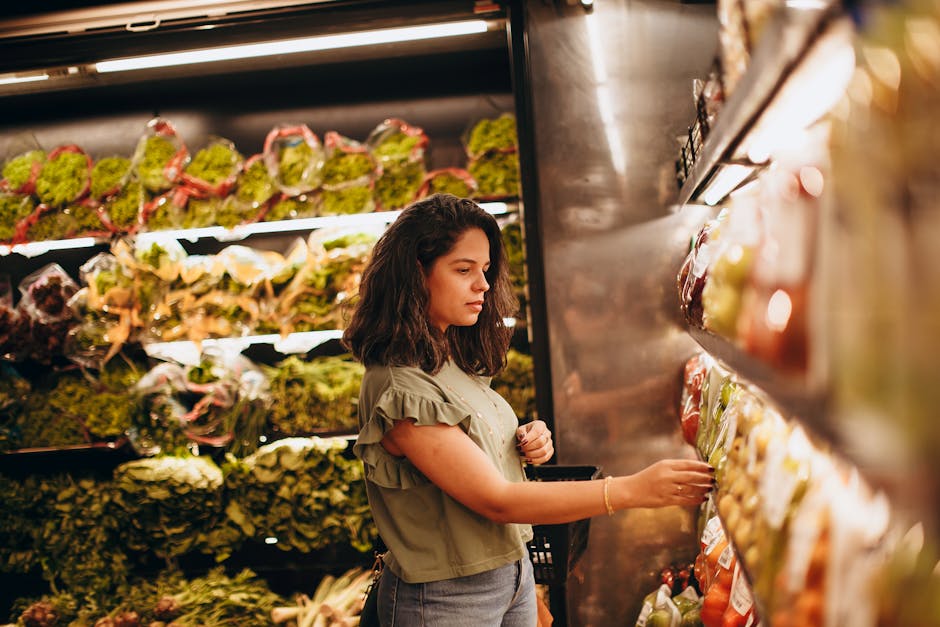
The fluorescent lights buzz overhead. Shopping carts clatter against linoleum floors. A family debates cereal choices three feet away while someone behind you sighs impatiently. For many introverts dealing with social anxiety, the grocery store transforms from a simple errand into an exhausting obstacle course of sensory overload and unpredictable human interaction.
This article contains affiliate links. If you purchase through these links, we may earn a small commission at no extra cost to you.
I spent years dreading grocery runs. During my time leading marketing teams at fast-paced agencies, I could handle high-stakes client presentations and boardroom negotiations. But something about wandering supermarket aisles left me drained in ways professional challenges never did. The combination of bright lights, constant movement, and the looming possibility of small talk with someone I vaguely recognized created a particular kind of fatigue that took me years to understand.
You’re not imagining this struggle. Grocery store anxiety affects a significant portion of shoppers, with research showing that the combination of sensory stimulation, decision fatigue, and social unpredictability creates genuine psychological strain. For introverts already processing more information from their environment than most people realize, supermarkets can become genuinely overwhelming spaces.
The good news is that with intentional strategies, you can transform grocery shopping from a draining ordeal into a manageable, even peaceful, part of your routine. These approaches have worked for me and countless other social-anxious introverts who refuse to let anxiety dictate their lives.
You might also find social-anxiety-relief-strategies-that-work-for-introverts helpful here.
Understanding Why Grocery Stores Overwhelm Introverted Minds
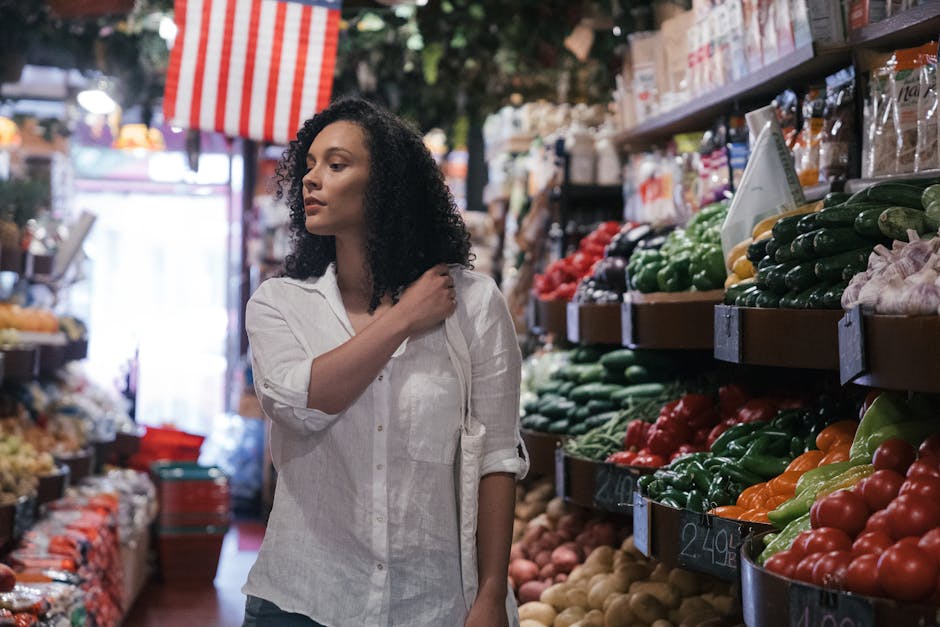
Before diving into solutions, understanding why grocery stores feel so taxing helps validate your experience and target your strategies effectively. Psychologists note that grocery store anxiety stems from the inability to control unpredictable situations combined with sensory overload from multiple stimuli competing for attention simultaneously.
Introverts naturally process environmental stimuli more deeply. While extroverts might filter out background noise and movement without conscious effort, introverted brains attend to these details, creating a cumulative cognitive load that builds throughout a shopping trip. Add social anxiety to this equation, and you’re dealing with hyperawareness of other shoppers’ potential judgments, fear of unexpected conversations, and anticipatory stress about checkout interactions.
The modern supermarket presents what researchers describe as a “sensory nightmare” for those sensitive to environmental input. Fluorescent lighting, temperature fluctuations between aisles, background music, announcement systems, and the visual chaos of thousands of products competing for attention create conditions that tax the nervous system. According to Psych Central, factors like crowded aisles, decision overload, and interactions with strangers make grocery shopping particularly anxiety-triggering.
Understanding this isn’t about making excuses. It’s about recognizing that your brain genuinely works differently in these environments, and that difference requires strategic accommodation rather than willpower-based suppression.
Strategic Timing: Your Most Powerful Tool
The single most effective change I made to my grocery routine was becoming intentional about when I shop. Crowded stores amplify every anxiety trigger: more bodies to navigate around, longer checkout lines, increased likelihood of running into acquaintances, and heightened sensory stimulation from collective movement and noise.
Early morning shopping transformed my experience entirely. Most stores open between 6 and 7 AM, and the first few hours see minimal traffic. Shelves are freshly stocked, aisles remain clear, and the pace feels almost meditative. I discovered that Tuesday and Wednesday mornings tend to be the quietest periods at most stores, while evenings before major holidays represent the worst possible timing.
If morning shopping doesn’t fit your schedule, late evening offers similar benefits. Many stores see a significant drop in traffic after 8 PM, especially on weeknights. During my agency years, when mornings belonged to client calls and strategy sessions, I shifted to 9 PM grocery runs and found them surprisingly peaceful.
Learning to manage your energy throughout the day means understanding that timing matters not just for the store’s crowd levels but for your own capacity. Shopping when your social battery is already depleted compounds the challenge unnecessarily.
Preparation That Reduces In-Store Decisions
Decision fatigue hits introverts particularly hard because we tend to weigh options more thoroughly. Standing in the pasta aisle comparing seven brands of marinara sauce while managing anxiety about blocking other shoppers creates a perfect storm of cognitive overload. Preparation eliminates most of this stress before you enter the store.
I approach grocery lists with military precision now. Not just what to buy, but organized by store section. Most stores follow predictable layouts: produce near the entrance, dairy along the back wall, frozen foods in center aisles. Organizing your list to match this flow eliminates backtracking and reduces time spent in the store overall.
Beyond listing items, I specify brands and sizes when possible. “Whole wheat bread” leaves room for deliberation. “Dave’s Killer Bread 21 Whole Grains, regular size” requires only locating and grabbing. This specificity seems obsessive until you experience how much mental bandwidth it frees up during the actual shopping trip.
Meal planning supports this preparation naturally. When you know exactly what meals you’re making for the week, your list becomes precise rather than exploratory. You’re not browsing possibilities and making real-time decisions. You’re executing a predetermined plan. This approach also prevents multiple weekly trips, reducing your total exposure to grocery store environments.
Creating Your Personal Buffer Zone
Noise-canceling headphones changed grocery shopping for me more than any other single purchase. The constant background noise of supermarkets contributes significantly to sensory overload without most people recognizing it. Music, announcements, cart wheels, conversations, refrigerator hums: they blend into a wall of sound that taxes introverted processing systems.
With headphones, I control my auditory environment completely. Some people prefer music. I typically listen to podcasts or audiobooks, which give my mind something specific to focus on rather than scanning environmental sounds for potential social threats. The headphones also serve a secondary purpose: they signal to others that you’re not available for casual conversation.
Beyond audio, creating psychological boundaries helps tremendously. I give myself explicit permission to avoid eye contact with other shoppers, to pretend I don’t recognize acquaintances if interaction feels too draining, and to take breathing breaks in less-trafficked aisles when needed. These aren’t antisocial behaviors. They’re energy management strategies that let you complete necessary tasks without depleting yourself entirely.
For those dealing with sensory overwhelm in various environments, many of these buffering techniques transfer to other challenging public spaces beyond grocery stores.
Self-Checkout: The Social-Anxiety Lifesaver
Self-checkout exists, and I’m convinced that introverts with social anxiety collectively willed it into existence through sheer need. The traditional checkout experience combines several anxiety triggers: forced small talk with cashiers, time pressure from people waiting behind you, the performance aspect of bagging efficiently, and the potential for something going wrong publicly.
Self-checkout eliminates most of these stressors. You control the pace. You don’t need to respond to “Did you find everything okay?” or navigate conversational expectations while simultaneously managing payment. You bag your own groceries according to your own system without someone watching.
Industry observations suggest that introverts naturally gravitate toward self-service technologies because they minimize unpredictable social interaction while maintaining personal control over the transaction pace. When you struggle with ordering anxiety or fear being judged for purchase choices, scanning your own items removes an entire category of stress.
Yes, machines sometimes malfunction and require employee assistance. This possibility used to prevent me from using self-checkout entirely. Now I recognize that even occasional assistance calls remain less draining than guaranteed cashier interaction for every transaction. The brief, problem-focused nature of these exchanges also feels more manageable than open-ended checkout conversation.
Online Grocery Shopping and Delivery Options
Let’s address the elephant in the room: you can skip the store entirely. Grocery delivery and curbside pickup services have expanded dramatically, and they represent legitimate options for days when in-store shopping feels insurmountable.
I resisted delivery services initially, viewing them as “giving in” to my anxiety rather than managing it. That perspective shifted when I realized that choosing delivery on particularly depleted days wasn’t avoidance. It was strategic resource allocation. Some weeks, my emotional bandwidth needs to go toward work deadlines or family responsibilities rather than navigating fluorescent-lit aisles.
Curbside pickup offers a middle ground. You still select your own items online, maintaining control over choices, but someone else handles the in-store navigation. You pull up, they load your car, and interaction remains minimal and predictable. Many stores offer this service free or for nominal fees, making it accessible regardless of budget constraints.
The key is using these options strategically rather than exclusively. Complete avoidance of grocery stores can reinforce anxiety over time. But building in delivery or pickup options for high-stress periods while maintaining in-person shopping during calmer weeks allows you to manage anxiety without letting it dictate your entire routine.
Store Selection Matters More Than You Think
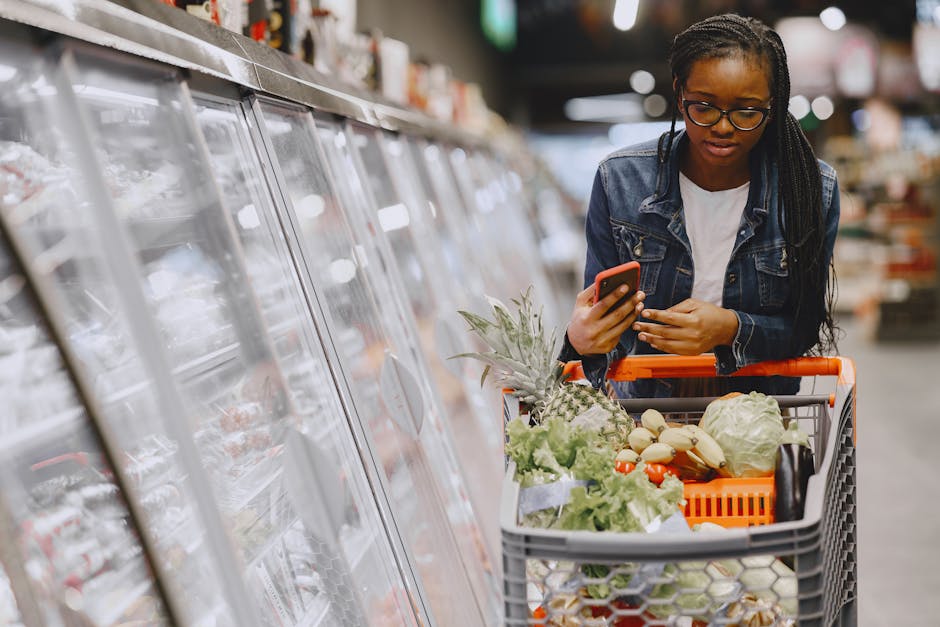
Not all grocery stores are created equal when it comes to sensory experience and anxiety management. Large warehouse stores with their echoing ceilings, sample stations requiring interaction, and overwhelming scale represent worst-case scenarios for social-anxious introverts. Smaller neighborhood markets or specialty grocers often provide calmer environments with less overwhelming selection and more predictable layouts.
I’ve become a student of my local grocery landscape. One chain uses harsher lighting that triggers headaches within twenty minutes. Another plays music at volumes that compete with conversation. A third arranges aisles so narrowly that cart traffic becomes constant navigation stress. The store I now frequent primarily has wider aisles, softer lighting, and generally quieter atmospheres. The prices run slightly higher, but my mental health justifies that premium.
Some retailers have begun recognizing that shoppers with different neurological needs benefit from environmental accommodation. Certain stores now offer “quiet hours” with dimmed lights and reduced sensory stimulation. These remain rare, but their emergence suggests growing awareness that traditional store environments don’t serve everyone equally.
Grounding Techniques for In-the-Moment Anxiety
Despite best preparation, anxiety sometimes spikes mid-shopping trip. Having reliable grounding techniques prevents these moments from derailing your entire experience. Cleveland Clinic research confirms that maintaining sense of personal control helps regulate emotional responses during shopping, making grounding practices particularly effective.
The simplest technique involves deliberate breathing. When anxiety rises, find a less-trafficked section and take three slow breaths, counting to four on the inhale and six on the exhale. This activates parasympathetic nervous system responses that counter anxiety’s physiological effects. No one notices you standing in the canned vegetable aisle breathing deliberately. They assume you’re considering tomato options.
Physical grounding works well for some people. Press your feet firmly into the floor. Notice the cart handle’s texture under your hands. Feel the cool air from refrigerated sections. These sensory focal points anchor you in present physical reality rather than anxious anticipation about potential interactions.
I’ve also found it helpful to give myself explicit permission to leave. Knowing that abandoning a half-filled cart is an option if things become too overwhelming paradoxically reduces the likelihood of needing to use it. The trapped feeling amplifies anxiety. Knowing you can exit at any moment provides psychological relief that often prevents escalation.
Building a Sustainable Shopping Routine
Consistency reduces anxiety by increasing predictability. When you shop at the same store, at similar times, following comparable routes, your brain expends less energy processing novelty. This frees cognitive resources for managing the inherently unpredictable aspects of the experience.
My current routine involves Tuesday morning shopping at the same store I’ve frequented for three years. I know which entrances have calmer traffic patterns, which aisles tend toward congestion, and which checkout stations work most reliably. This familiarity transforms the experience from constant environmental assessment into more automated navigation.
Routines also help with overall daily energy management. When grocery shopping occupies a predictable weekly slot, you stop spending mental energy deciding when to go, dreading the uncertain timing, or recovering from poorly-planned trips that collided with other draining activities.
Start small with routine building. Maybe you can’t commit to exact weekly timing immediately. Begin with choosing one store as your primary and learning its layout thoroughly. Add timing consistency once that foundation feels solid. Stack these incremental changes rather than overhauling everything simultaneously.
When Professional Support Makes Sense
These strategies work for many people managing garden-variety grocery store anxiety. But if your avoidance prevents you from maintaining adequate food supplies, or if panic attacks occur regularly during shopping trips, professional support deserves consideration.
Cognitive behavioral therapy approaches help identify thought patterns that amplify anxiety and develop more adaptive responses. Exposure therapy, conducted gradually with professional guidance, can reduce the intensity of anxiety responses over time. Some people benefit from medication that takes the edge off anxiety enough to implement behavioral strategies effectively.
Seeking help for grocery store anxiety isn’t admitting defeat or pathologizing normal introvert experiences. It’s recognizing when self-directed strategies have reached their limits and additional tools would improve quality of life. Finding a therapist who understands introvert needs ensures you won’t spend sessions defending your need for solitude rather than addressing actual anxiety concerns.
Reframing Your Relationship with Necessary Errands
Grocery shopping will likely never become my favorite activity. But it no longer represents a source of weekly dread. The shift came not from forcing myself to “get over it” but from acknowledging the genuine challenges my brain faces in these environments and developing targeted strategies to address them.
This reframe matters beyond grocery stores. The comprehensive approach to managing anxiety as an introvert involves recognizing that your sensitivity to environmental stimuli isn’t weakness. It’s a characteristic that requires accommodation rather than correction. When you stop fighting against how your brain works and start designing systems that work with it, everything becomes more manageable.
You deserve to feed yourself and your family without the process draining your capacity for everything else life requires. These strategies aren’t about lowering the bar or accepting less than others. They’re about designing approaches that let you accomplish necessary tasks while preserving energy for the things that actually matter to you.
Start with one change this week. Maybe it’s trying an early morning shopping trip. Maybe it’s finally downloading your store’s app to enable self-checkout. Maybe it’s giving yourself permission to wear headphones without guilt. Small shifts compound over time into transformed experiences. The grocery store doesn’t have to be enemy territory. With intentional strategy, it becomes just another errand, manageable and brief, leaving you with energy for everything that comes after.
Frequently Asked Questions
Is grocery store anxiety a real condition?
While not a formal clinical diagnosis, grocery store anxiety represents a genuine experience that affects many people, particularly those with generalized anxiety disorder or social anxiety. The combination of sensory overload, decision fatigue, unpredictable social interactions, and time pressure creates conditions that trigger anxiety responses in susceptible individuals. Mental health professionals recognize this as a valid concern worth addressing.
What’s the best time to shop to avoid crowds?
Early morning hours immediately after opening and late evening hours before closing typically see the least traffic. Tuesday and Wednesday tend to be the quietest days overall. Avoiding weekend mornings, lunch hours on weekdays, and the days immediately before major holidays prevents peak congestion. Your specific local store may have different patterns, so experimenting with various times helps identify optimal windows for your situation.
How can I deal with unexpected encounters with acquaintances?
Give yourself permission to keep interactions brief. A quick wave and “good to see you, I’m rushing today” provides a socially acceptable exit. Wearing headphones signals unavailability for extended conversation. If you spot someone before they see you, there’s no requirement to approach. Choosing a different aisle temporarily isn’t rude; it’s practical energy management.
Should I always use delivery to avoid anxiety?
Complete avoidance can reinforce anxiety over time, making in-store shopping feel increasingly impossible. A balanced approach uses delivery strategically during high-stress periods while maintaining some in-person shopping to prevent anxiety from expanding. Building coping skills through managed exposure typically serves long-term wellbeing better than total avoidance.
What should I do if I feel a panic attack coming on while shopping?
Find a less-trafficked area immediately, even if it means abandoning your cart temporarily. Focus on slow, deliberate breathing with longer exhales than inhales. Ground yourself through physical sensations: feet on floor, hands on cart, cool air from refrigerated sections. Remind yourself that you can leave at any time. If attacks occur regularly, consulting a mental health professional for additional strategies makes sense.
About the Author
Keith Lacy is an introvert who’s learned to embrace his true self later in life. With a background in marketing and a successful career in media and advertising, Keith has worked with some of the world’s biggest brands. As a senior leader in the industry, he has built a wealth of knowledge in marketing strategy. Now, he’s on a mission to educate both introverts and extroverts about the power of introversion and how understanding this personality trait can unlock new levels of productivity, self-awareness, and success.

Written by
keithlacy
Writer at The Dopamine Theory. Covering personality psychology, introversion, and the science of how we're wired.



Written by
keithlacy
Writer at The Dopamine Theory. Covering personality psychology, introversion, and the science of how we're wired.